The devices that can be used to perform both functions -input and output- are called Dual Devices. These devices are also called Dual Purpose Devices or Both Input/Output Devices. With the help of a dual purpose device, we can enter data into computer as well as we can output data from the computer to outside world. For example, Dual devices include: Touch Screen Monitor, Modem, Network Interface Card, Sound card, Hard disk drive, Floppy disk Drive, Magnetic Tape Drive CD-Writer and DVD-Writer etc. These are also called Input/output devices, because they perform both functions.
Touch Screen Monitor is an input/output device. It uses a special touch sensitive screen. The User can enter data by touching icons or menus on the screen. As soon as the user selects a command from menu, output is displayed on screen. Commonly touch screen monitors use sensors to detect touch of finger.
A headset may be considered as both Input / Output device, because it has a microphone for voice input and small speaker phones for sound output.
Headsets are used for video conferences and video calls through SKYPE and other such free software to make video calls.
Modem stands for Modulator / Demodulator. Modem is a communication device. It makes possible receiving data from internet into our computer (input) and sending data from our computer to another computer on internet(output). It performs two functions: Modulation (converting digital signal into analog signal) and Demodulation(converting analog signal to digital signal). It makes possible receiving data from internet into our computer (input) and sending data from our computer to another computer on internet(output). Modem sends and receives data from one computer to another through telephone lines. It links your personal computer to the Internet through your ISP (Internet Service Provider). A telephone line supports only analog signals, whereas computer accepts only digital signals. So when a computer wants to send data to another computer, digital data is converted into analog data before placing on telephone line. The process of converting digital signal into analog signal is called Modulation. Similarly, on the receiving computer, modem converts analog data (from telephone line) into digital data, before it is entered into receiving computer. The process of converting analog signal into digital signal is called Demodulation.
NIC stands for Network Interface Card. It is used to link network computers for transmitting data. With the help of NIC our computer can receive data, instructions and information from another computer (input). NIC will also be helpful to send data from our computer to another computer on the network (output). NIC is also called a LAN card, local area network card or LAN adapter.
A sound card is a computer component that facilitates the input and output of audio signals to and from a computer. A speaker produces audio output with the help of sound card. In addition we use microphone to input our voice into computer with the help of sound card.

Hard disk drive is an input/output device. It has read/write heads to read data from hard disk(input) and to write data to hard disk(output).

Floppy disk drive is an input/output device. It has read/write heads to read data from floppy disk(input) and to write data to floppy disk(output).

Magnetic Tape drive is an input/output device. It has read/write heads to read data from magnetic tape(input) and to write data to magnetic tape(output).
 CD-Writer is an input/output device. It is used to store data on CD. It is used to read data from CD(input) and to write data to CD(output).

DVD-Writer is an input/output device. It is used to store data on DVD. It is used to read data from DVD(input) and to write data to DVD(output).
2.2 What are Different Types of Input Devices
2.3 Explain Different Types Of Output Devices
2.4 Explain Parts of CPU and its Working
2.5 What are Dual Devices or Both Input/ Output Devices
2.6 What is RAM, Explain Different Types of RAM
2.7 What is ROM Explain Different Types of ROM
2.8 Discuss Differences Between RAM and ROM
2.9 Explain different types of storage devices
2.10 What are Pointing Input Devices
2.11 Different Types of Mouse Input Device
2.12 Types Of Scanners Input Device
- Touch Screen Monitor
 |
| Dual Devices or Both Input / Output Devices - Touch screens |
- Headset
A headset may be considered as both Input / Output device, because it has a microphone for voice input and small speaker phones for sound output.
 |
| Example of Both Input / Output Devices - headsets |
Headsets are used for video conferences and video calls through SKYPE and other such free software to make video calls.
- Modem
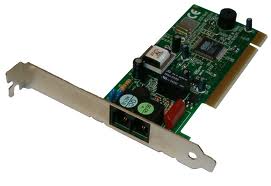 |
| Internal modem |
 |
| External modem |
Modem stands for Modulator / Demodulator. Modem is a communication device. It makes possible receiving data from internet into our computer (input) and sending data from our computer to another computer on internet(output). It performs two functions: Modulation (converting digital signal into analog signal) and Demodulation(converting analog signal to digital signal). It makes possible receiving data from internet into our computer (input) and sending data from our computer to another computer on internet(output). Modem sends and receives data from one computer to another through telephone lines. It links your personal computer to the Internet through your ISP (Internet Service Provider). A telephone line supports only analog signals, whereas computer accepts only digital signals. So when a computer wants to send data to another computer, digital data is converted into analog data before placing on telephone line. The process of converting digital signal into analog signal is called Modulation. Similarly, on the receiving computer, modem converts analog data (from telephone line) into digital data, before it is entered into receiving computer. The process of converting analog signal into digital signal is called Demodulation.
- NIC - Network Interface Card
 |
| NIC or LAN card - NIC is Example of Dual devices |
NIC stands for Network Interface Card. It is used to link network computers for transmitting data. With the help of NIC our computer can receive data, instructions and information from another computer (input). NIC will also be helpful to send data from our computer to another computer on the network (output). NIC is also called a LAN card, local area network card or LAN adapter.
- Sound Card
 |
| Sound card or audio card |
A sound card is a computer component that facilitates the input and output of audio signals to and from a computer. A speaker produces audio output with the help of sound card. In addition we use microphone to input our voice into computer with the help of sound card.
- Hard disk Drive
Hard disk drive is an input/output device. It has read/write heads to read data from hard disk(input) and to write data to hard disk(output).
- Floppy disk Drive
Floppy disk drive is an input/output device. It has read/write heads to read data from floppy disk(input) and to write data to floppy disk(output).
- Magnetic Tape Drive
Magnetic Tape drive is an input/output device. It has read/write heads to read data from magnetic tape(input) and to write data to magnetic tape(output).
- CD-Writer / CD-Recorder
- DVD-Writer / DVD-Recorder
DVD-Writer is an input/output device. It is used to store data on DVD. It is used to read data from DVD(input) and to write data to DVD(output).
Computer Hardware
Concepts
2.1 What
are Different Types of Hardware2.2 What are Different Types of Input Devices
2.3 Explain Different Types Of Output Devices
2.4 Explain Parts of CPU and its Working
2.5 What are Dual Devices or Both Input/ Output Devices
2.6 What is RAM, Explain Different Types of RAM
2.7 What is ROM Explain Different Types of ROM
2.8 Discuss Differences Between RAM and ROM
2.9 Explain different types of storage devices
2.10 What are Pointing Input Devices
2.11 Different Types of Mouse Input Device
2.12 Types Of Scanners Input Device
Comments
Totally Free Web Traffic For Your Website or Blog